


Green Chile Season: A Restaurant Menu Guide for Colorado

If you run a kitchen in Colorado, you already know the smell of roasting green chile practically announces a season on its own. Green chile season is one of the most reliable traffic drivers a Colorado restaurant has, and it does not require reinventing your menu to take advantage of it. This guide walks through what green chile season actually means for Colorado operators, how bar and grill, Mexican and Hispanic, and pizza kitchens can each put it to work, and what to ask your foodservice distributor before you build the special. You will also find a practical breakdown of fresh, frozen, and canned chile, plus answers to the questions operators ask most about sourcing and menu pricing.
Quick Summary
- Green chile season in Colorado runs from late summer into fall, with Pueblo chiles reaching peak roasting activity in September and staying available into October.
- A green chile menu works across several segments at once: bar and grill (cheeseburgers, wings, nachos), Mexican and Hispanic kitchens (sauces, enchiladas, tacos), and pizza (a roasted chile topping).
- Fresh roasted chile delivers the most vivid flavor but has a short shelf life, frozen chile holds its character for months, and canned chile is the most consistent choice for high volume.
- Heat level can vary from batch to batch, even within the same chile variety, so tasting and adjusting matters more than trusting a label alone.
- Building one base green chile sauce or relish lets you use it across burgers, fries, nachos, and bowls without adding much prep time.
- Menu language that names "Colorado green chile" specifically tends to resonate more with local diners who already know the ingredient.
- Ask your foodservice distributor about fresh, frozen, and canned green chile options, roast level, and heat consistency before you commit to a menu rollout.
- Promoting a green chile special while the season is active helps capture diners who are actively searching for it nearby.
Why Green Chile Season Matters for Colorado Restaurants
Green chile is not a niche ingredient in Colorado. It is a seasonal event that shows up on local news, at farmers markets, and in parking lots across the state where roasters spin drums of chiles over open flame. For restaurant operators, that visibility is free marketing. Diners are already primed to look for green chile on a menu during this window, which means a well placed green chile dish can pull in guests who might otherwise scroll past your listing.
The opportunity is not limited to one type of restaurant. Bar and grill menus, Mexican and Hispanic kitchens, and pizza shops can each build a seasonal item around green chile without retooling their core menu. The ingredient is flexible enough to work as a topping, a sauce base, a stuffing, or a stand alone side, which makes it one of the lower effort seasonal pushes a kitchen can run.
What Is Green Chile Season in Colorado, and How Long Does It Last?
Green chile season in Colorado typically runs from late August through October, with Pueblo chiles reaching peak harvest and roasting activity in September. Roadside roasters, farm stands, and grocery stores sell fresh roasted chile heavily during this window, and the fresh harvest tapers off as the weather cools. Frozen and canned chile keep the flavor on menus well past the point where fresh chile becomes hard to source.
Why Pueblo Chile Is Colorado's Signature Pepper
Pueblo chile has grown into a point of local pride, thanks to the soil and growing conditions around Pueblo that give the pepper its particular flavor and heat. Each fall, Pueblo celebrates the harvest with its own chile and frijoles festival, and roadside roasters set up across southern Colorado and the Front Range, filling parking lots with the smell of charring skins. For a Colorado menu, calling out Pueblo chile by name signals that the dish is sourced close to home, not just "southwestern" in a generic sense.
How to Build a Green Chile Menu This Season: A Step by Step Approach
Adding a green chile item does not need to be complicated. Here is a straightforward sequence for building and launching a green chile special.
- Pick two or three dishes to feature first. Start small. A burger, a side of nachos, or a bowl you already serve are easy starting points.
- Choose your chile format. Decide between fresh roasted, frozen, or canned chile based on your kitchen's prep capacity and how long you want the item to run.
- Build one base sauce or relish. A single green chile sauce can top a burger, dress a bowl, or finish a pizza, which keeps prep simple.
- Taste every batch for heat. Heat level is not consistent across every pepper, so taste before you commit a batch to the line.
- Price the item within your normal targets for that menu category. Treat it like any other seasonal item rather than a special case.
- Train your front of house on the description. Staff should be able to describe the heat level and ingredient in one sentence.
- Promote the item while the season is active. A green chile special loses most of its pull once the season has clearly ended.
Green Chile Cheeseburgers and Bar Food
For bar and grill operators, the green chile cheeseburger is the most natural starting point. A Braveheart® Black Angus Beef patty topped with roasted green chile and melted cheese is a straightforward build that most kitchens can execute without new equipment. Beyond the burger, green chile works well folded into a queso for nachos, tossed into a wing sauce, or stirred into chili for a cooler weather version of a bar classic.
Green Chile for Mexican and Hispanic Menus
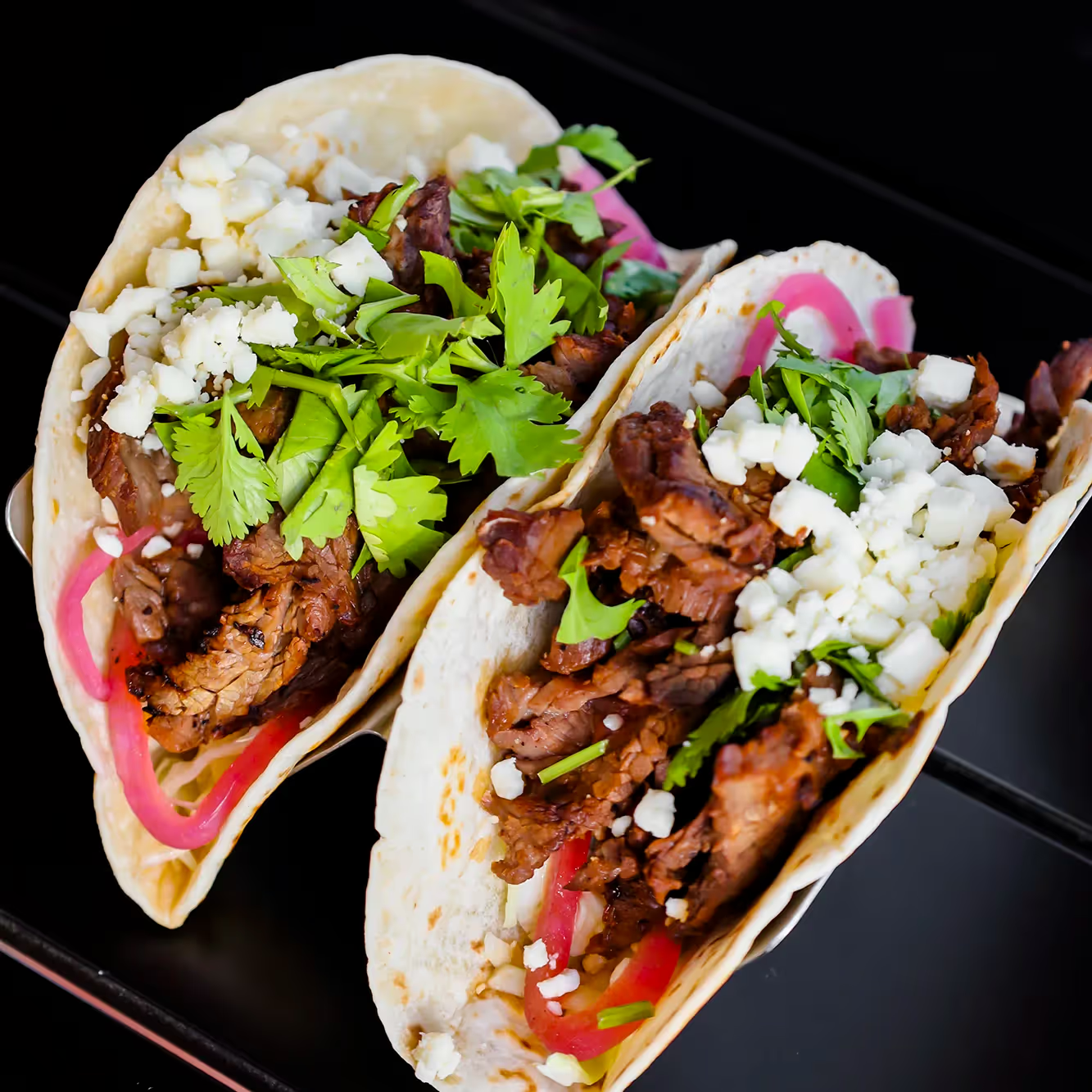
Mexican and Hispanic kitchens already have the techniques to make green chile shine: chile verde as a braise, enchiladas smothered in green chile sauce, or a simple roasted chile folded into tacos and burritos. This is also where a kitchen can lean into the ingredient's versatility the most, since green chile sauce can be made in a large batch and portioned across multiple dishes on the menu.
Green Chile on Pizza: A Colorado Twist
Pizza operators have an opening here too. A white pizza base with roasted green chile, mozzarella, and a light drizzle of olive oil gives guests something they will not find on a standard pepperoni menu. Green chile also pairs well with chorizo or Italian sausage as a topping combination, giving pizzerias a way to put a Colorado stamp on a familiar format.
Sourcing Green Chile for Your Restaurant: What to Ask Your Distributor
Before you commit to a green chile rollout, it helps to have a short list of questions ready for your foodservice distributor. These are the details that affect both consistency and cost on the line.
- Is the chile fresh roasted, frozen, or canned, and what heat level range should I expect within a single case?
- What is the case pack size and shelf life for each format you carry?
- Can I get the chile already peeled and diced, or will my kitchen need to handle that prep?
- What is the lead time on fresh chile, and when does availability typically end for the season?
- Do you carry a frozen or canned version that can extend this item on my menu after fresh chile becomes harder to source?
- Is the heat level labeled consistently, or does it vary enough that I should taste test each delivery?
Fresh vs. Frozen vs. Canned Green Chile: Which Should You Use?
Each format has a different role on your menu, and most kitchens end up using more than one depending on the dish and the time of year.
FormatFlavorShelf LifeBest ForWatch Out ForFresh roastedMost vivid, smoky flavorA few days, refrigeratedLimited time specials during peak seasonShort shelf life and extra prep time for peelingFrozenVery close to freshSeveral monthsExtending the item past fresh seasonNeeds freezer space and a slight texture change after thawingCannedMost consistent, milder roast characterLong, shelf stableHigh volume or year round menu itemsLess smoky flavor than fresh or frozen
Pricing and Menu Strategy for Green Chile Items
A green chile special does not need its own section on the menu to work. Many operators get the most traction by offering it as an upgrade on an existing best seller, such as adding green chile to a burger or bowl for a small additional charge. This keeps kitchen complexity low while still giving guests a reason to upgrade their order.
Framing the item as a limited time offer also helps. Guests respond to the idea that a dish is only available for a specific window, and green chile season gives you a built in, believable reason for that urgency. Price the item within your normal targets for that menu category, the same way you would price any other seasonal addition.
How to Market a Green Chile Special to Colorado Diners
Colorado diners actively search for green chile during the season, which makes this one of the easier items to market locally. A few practical steps:
- Use the phrase "Colorado green chile" or "Pueblo chile" in your menu description and on social posts, since that is how local diners search for it.
- Post photos of the roasting or prep process. Diners respond to seeing the ingredient in its raw, charred state.
- Add simple table talkers or a sandwich board outside the restaurant calling out the special while the season is active.
- Send one email or loyalty app notification when the item launches, and another as the season winds down to create urgency.
Key Takeaways and Next Steps
Green chile season gives Colorado restaurants a built in reason to launch a seasonal item without overhauling the menu. Bar and grill kitchens can lean on the green chile cheeseburger, Mexican and Hispanic menus can showcase the ingredient in sauces and braises, and pizza operators can use it as a topping that sets their pie apart. The format you choose, fresh, frozen, or canned, should match how long you want the item to run and how much prep time your kitchen can absorb.
Start by picking one or two dishes, confirm your chile format and heat consistency with your foodservice distributor, and get the item on the menu while the season is still top of mind for your guests. If you are not sure which format fits your kitchen, ask your Performance Foodservice representative to walk through the fresh, frozen, and canned options available in your area before you finalize the menu.
Frequently Asked Questions
When is green chile season in Colorado?
Green chile season in Colorado generally runs from late August through October, with Pueblo chiles hitting peak roasting activity in September. Fresh availability tapers off as the weather cools, though frozen and canned chile can keep a menu item running longer.
What makes Pueblo chile different from other green chile?
Pueblo chile gets its particular flavor and heat from the growing conditions around Pueblo, Colorado. It has become a point of local identity, with its own harvest festival and a roadside roasting tradition that shows up across southern Colorado and the Front Range every fall.
Should my restaurant use fresh, frozen, or canned green chile?
It depends on how long you want the item on your menu and how much prep time your kitchen has. Fresh roasted chile offers the best flavor for a short seasonal run, frozen chile is a strong middle ground that extends the item for months, and canned chile is the most consistent option for high volume or year round use.
How spicy is green chile, and how do I keep heat level consistent?
Green chile heat varies by variety and even by batch, so it is worth tasting each delivery rather than relying on a label alone. Many distributors offer mild, medium, and hot options, and some operators choose to blend batches to even out the heat before it goes on the line.
Can I keep a green chile item on the menu after fresh season ends?
Yes. Switching to frozen or canned green chile lets you keep the item available after the fresh harvest winds down, though you may want to note on the menu that the dish now uses frozen or canned chile if your guests expect fresh during peak season. Contact us at (804) 484-7700

Have More Questions?
Connect with our team today and discover the unparallelled support you will receive from Performance Foodservice Denver.
A sales representative will be in touch with you shortly to answer any additional questions.
Commerce City, CO 80640


Order by
Phone
Speak directly with our knowledgeable customer service team for personalized assistance, product recommendations, and immediate order placement.