


How to Find a Chicken Wings Supplier Near You in Colorado
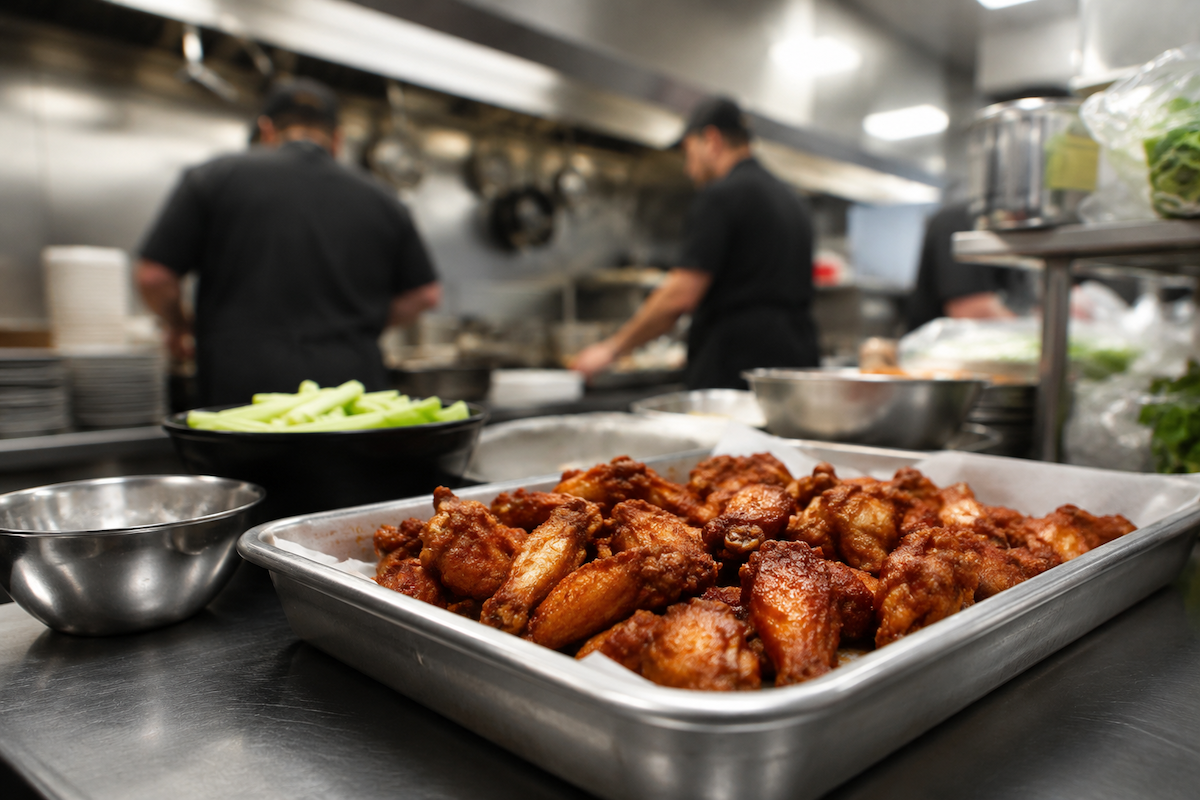
Wings sell themselves. Keeping them stocked, consistent, and profitable is the hard part. Wing prices move with the commodity market, demand spikes around football season, and a shorted case on a Saturday can take your best selling appetizer off the menu at the worst possible time. That is why finding the right chicken wings supplier near you in Colorado matters more than most operators realize.
This guide explains where restaurants buy wings in bulk, how to compare suppliers on spec and total cost, and what separates a dependable wings distributor from one that leaves you scrambling on game day.
Quick Summary
- Colorado restaurants buy wings in bulk from three main sources: broadline foodservice distributors, cash and carry wholesalers, and retail clubs. Broadline distributors offer the best mix of consistency, delivery, and pricing for ongoing volume.
- Wing specs matter as much as price. Size grade, whole versus cut, fresh versus frozen, and raw versus fully cooked all change your cost per portion and your kitchen workflow.
- Wing prices are among the most volatile in the poultry market, so a supplier with transparent pricing and steady supply is worth more than the lowest quote in a single week.
- Demand peaks around football season and events like the Super Bowl, which is exactly when weak suppliers run short. Lock in your supply relationship before the rush.
- Performance Foodservice Denver supplies wings and poultry to restaurants across Colorado through exclusive brands like West Creek®, delivered from its Commerce City facility.
- Compare suppliers on delivered cost per pound at your spec, not just the case price, and always sample before committing.
- A supplier that also covers your sauces, breading, fryer oil, and disposables consolidates your wing program into one delivery.
Where Do Restaurants Buy Chicken Wings in Bulk?
A concise answer for operators starting the search: Restaurants buy chicken wings in bulk from broadline foodservice distributors, cash and carry wholesalers, and warehouse retail clubs. For ongoing volume, a broadline distributor is usually the best fit because it delivers to your door on a schedule, holds consistent product specs week to week, and supplies the rest of the wing program, including sauces, breading, and fryer oil, on the same truck. In Colorado, Performance Foodservice Denver distributes wings and poultry statewide from its 350,000 square foot facility in Commerce City.
Understanding Wing Specs Before You Compare Suppliers
Two quotes for "chicken wings" can describe very different products. Before comparing suppliers, know exactly what your menu needs.
Whole Wings vs. Cut Wings
Whole wings include the drumette, flat, and tip in one piece. Cut wings, often called party wings, arrive separated into drumettes and flats with tips removed. Cut wings cost more per pound but eliminate prep labor and trim loss. Whole wings cost less but put the knife work on your team. The right answer depends on your labor situation and volume.
Size Grades
Wings are sorted by count per pound, and portion economics follow. Larger wings plate impressively and suit a premium wing menu. Smaller wings stretch further on count-based portions. Whatever grade you choose, consistency is the real spec: a portion of eight wings should look the same to your guest every single visit.
Fresh vs. Frozen
Fresh wings ship cold and raw, never frozen. That gives you the best texture and complete control at the fryer, which is why fresh suits high-volume wing programs that turn inventory fast enough to move product before its short shelf window closes.
Frozen wings are where a lot of operators get tripped up, so it helps to separate two ideas. IQF, short for individually quick frozen, describes how the wings are frozen, not whether they are cooked. Each piece freezes on its own, so wings stay loose and you can pull the exact count you need instead of chipping at a solid block. Whether those wings are raw or fully cooked is a separate question, and in practice the IQF wings offered through foodservice are usually fully cooked. Fully cooked IQF wings give you a long, stable shelf life, simpler inventory, and a buffer when supply tightens, while also cutting fryer time on the line. Raw wings that have been frozen, sometimes called fresh to frozen, are a separate product and less common in kitchens focused on texture and yield, since freezing raw poultry can work against both.
Plenty of Colorado kitchens build the everyday menu around fully cooked IQF wings for speed and consistency, then bring in fresh, raw wings when they want full control over the finished product.
Raw vs. Fully Cooked and Par-Fried
This is the doneness decision, and it overlaps with the fresh versus frozen question above. In practice the two collapse into one: fresh wings are raw, and the frozen wings you will stock are almost always fully cooked IQF.
Raw wings hand you full control over brining, seasoning, breading, and cook method, which matters when a signature wing is part of your identity. Fully cooked wings cut fryer time and standardize the result across every cook on the schedule, a real advantage in kitchens fighting labor turnover. Par-fried wings land in between: partially cooked so they finish fast, while still leaving room to season and sauce to your spec.
At Performance Foodservice Denver, West Creek®, the largest and most diverse exclusive brand at Performance Foodservice, covers both sides of this choice with fresh chicken and fully cooked poultry. Silver Source® offers economical prepared poultry for value-driven menus, and operators who market antibiotic-free or organic poultry can look to FarmSmart®, the protein choice specified for those claims.
Why Wing Prices Move So Much, and What It Means for Your Menu
Wings are a single part of the bird with demand that swings hard around sports seasons, so their market price moves more sharply than most poultry cuts. Football season reliably pushes wing demand up, and the weeks around the Super Bowl are the most famous crunch in the category.
For operators, two lessons follow. First, judge suppliers across time, not on one quote. The distributor that is a few cents higher this week but holds supply and communicates price movements is cheaper over a year than the one that wins on price and shorts you in January. Second, build menu flexibility. Boneless options, thigh-based "wings," and portion adjustments give you room to protect margin when the bone-in market climbs.
A distributor with market visibility helps here. Performance Foodservice publishes regular market trend insights across proteins, which gives operators early warning on where wing pricing is headed instead of discovering it on the invoice.
How to Choose a Chicken Wings Supplier in Colorado: Step by Step
- Define your spec first. Decide on whole or cut, size grade, fresh or frozen, and raw or cooked before requesting any quotes.
- Calculate your true weekly volume. Include your peak weeks, not just your average, so suppliers quote against your real demand.
- Request quotes at identical specs. Make every supplier price the same product so the comparison means something.
- Compare delivered cost, not case price. Factor delivery fees, order minimums, and the labor difference between raw and prepped product.
- Sample side by side. Fry each candidate's wings through your actual prep and sauce them from your actual line before deciding.
- Ask about peak season supply. Have the supplier explain how they handle allocation during football season and Super Bowl week.
- Check what else rides on the truck. A supplier covering your sauces, breading, fryer oil, blue cheese, and to-go packaging simplifies the whole program.
- Start with a trial period. Run a few weeks of orders and judge delivery accuracy and consistency before moving your full volume.
What to Ask a Wings Distributor Before You Commit
- What size grades and cut options do you stock, and how consistent is the grading case to case?
- Are your wings fresh, frozen, or both, and if frozen, are they raw or fully cooked?
- How is pricing set, and how will I see market changes before they hit my invoice?
- What happens to my supply during peak demand weeks?
- What are your delivery days for my location, and what is the order minimum?
- Can you also supply my sauces, breading, oils, and disposables?
- Can I get samples to test in my own fryers?
Direct answers to these questions tell you as much as the answers themselves.
Beyond the Wing: Building the Full Program With One Supplier
A wing program is more than the wing. Fryer oil quality affects flavor and yield, and the Brilliance® line of premium frying oils is built for exactly that performance. Sauces and pantry staples ride along through West Creek®, the same broadline brand behind the poultry above. Celery, carrots, and garnish come through Peak Fresh Produce®. When one distributor covers the entire program, you get one delivery, one invoice, and one accountable partner behind your best selling menu item.
That consolidation logic is the quiet advantage of sourcing wings through a broadline distributor rather than piecing the program together across a wholesaler, a retail club run, and a sauce vendor.
Conclusion: Lock In Your Wing Supply Before You Need It
The best time to find a chicken wings supplier in Colorado is during a normal week, not the Thursday before a playoff game. Define your spec, get quotes on identical products, sample through your own fryers, and weigh each supplier's answer on peak season supply as heavily as their price.
If you run wings anywhere in Colorado, Performance Foodservice Denver supplies bulk wings and poultry through West Creek® and its broader exclusive brand portfolio, along with everything else the program needs, delivered from Commerce City to restaurants across the state. A spec-for-spec quote against your current supplier is the fastest way to see where you stand.
Frequently Asked Questions
Where can I buy chicken wings in bulk near me in Colorado?
Colorado restaurants can buy bulk wings through broadline foodservice distributors, cash and carry wholesalers, and warehouse clubs. For scheduled delivery and consistent specs, Performance Foodservice Denver distributes wings and poultry to restaurants statewide from its Commerce City facility.
How much do wholesale chicken wings cost?
Wholesale wing prices change constantly because wings are one of the most volatile poultry cuts, moving with sports season demand and overall market supply. Rather than relying on a single quote, ask distributors for current market pricing at your exact spec and how they communicate price movements over time.
Should my restaurant buy fresh or frozen wings?
High-volume wing concepts that turn inventory fast often prefer fresh, raw wings for texture and control. The frozen wings most kitchens stock are individually quick frozen and fully cooked, which adds shelf life, simpler inventory, and a buffer against supply gaps while trimming fryer time. Keep in mind that IQF describes how the wings are frozen, not whether they are cooked, so confirm cooked versus raw when you spec your order.
What is the difference between whole wings and party wings?
Whole wings include the drumette, flat, and tip in one piece and cost less per pound but require cutting. Party wings arrive pre-cut into drumettes and flats with tips removed, costing more per pound but saving prep labor and trim loss. The better value depends on your labor costs and volume.
How do restaurants keep wings in stock during the Super Bowl and football season?
Plan ahead with your distributor. Share your projected peak volumes early, confirm how the supplier handles allocation during demand spikes, and consider keeping fully cooked IQF inventory as a buffer. Suppliers prioritize established accounts with predictable volume when the market tightens.
Have More Questions?
Connect with our team today and discover the unparallelled support you will receive from Performance Foodservice Denver.
A sales representative will be in touch with you shortly to answer any additional questions.
Commerce City, CO 80640



Order by
Phone
Speak directly with our knowledgeable customer service team for personalized assistance, product recommendations, and immediate order placement.