


Single Distributor vs. Multiple Suppliers: What's Right for Your Restaurant?
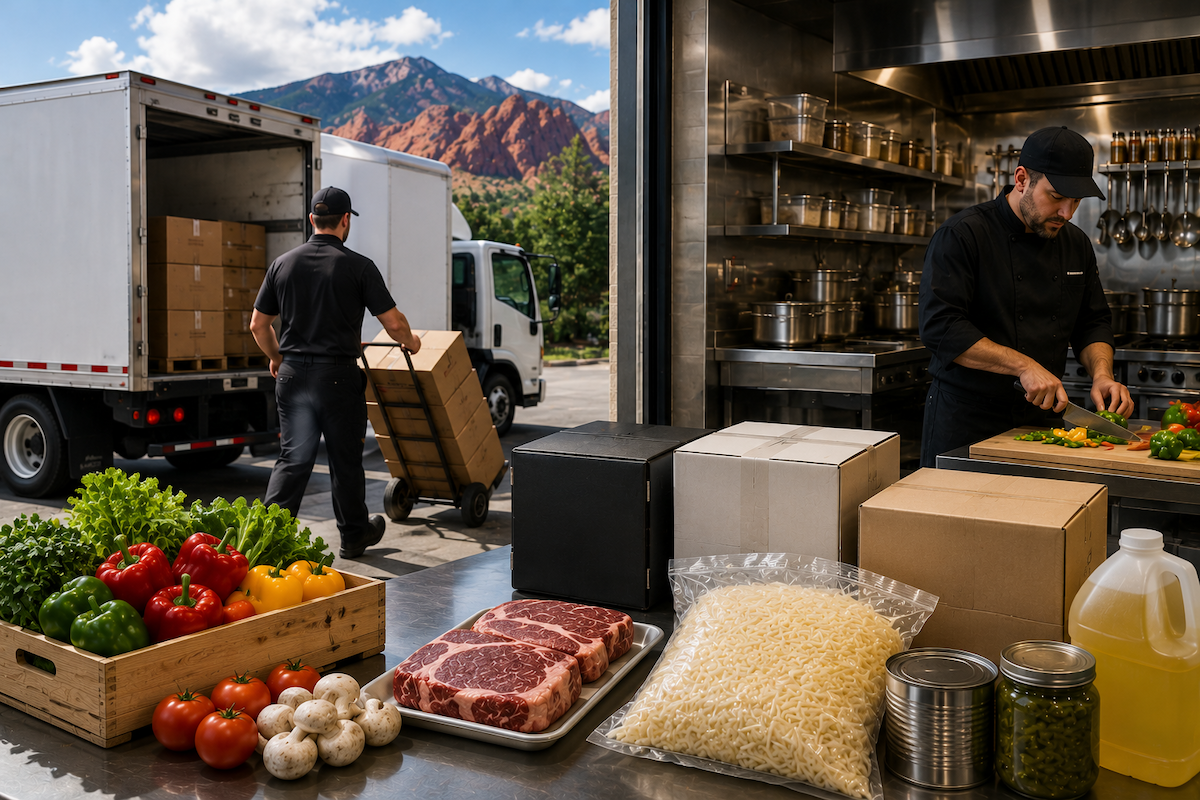
Every restaurant operator eventually faces the same sourcing question: consolidate purchasing with one broadline distributor, or spread orders across multiple suppliers? The single distributor vs. multiple suppliers decision affects your food costs, your back office workload, your kitchen schedule, and your ability to weather a supply disruption.
There is no universal right answer, but there is a right answer for your restaurant. This guide breaks down the real advantages and tradeoffs of each approach, explains when a hybrid model makes sense, and gives you a practical framework for deciding which sourcing strategy fits your operation.
Quick Summary
- A single broadline distributor simplifies ordering, reduces deliveries, consolidates invoices, and often improves pricing through higher purchase volume with one partner.
- Multiple suppliers can offer specialty products, niche expertise, and a backup if one vendor has a supply issue, but they multiply administrative work.
- Most independent restaurants land on a hybrid model: one primary broadline distributor for the bulk of the order guide, plus one or two specialty vendors.
- The biggest hidden cost of multiple suppliers is labor: more deliveries to receive, more invoices to reconcile, and more vendor relationships to manage.
- The biggest risk of a single distributor is dependence, which is why distributor selection matters so much when you consolidate.
- Strong broadline distributors reduce the need for specialty vendors by carrying segment specific brands for pizza, Italian, Mexican, and bar and grill concepts.
- Review your sourcing mix at least once a year as your menu, volume, and local market change.
What Is the Difference Between a Broadline Distributor and Multiple Suppliers?
A broadline distributor carries products across every major category a restaurant needs: fresh produce, center of the plate proteins, dairy, dry goods, frozen items, beverages, and disposables. One truck, one invoice, one sales rep. Performance Foodservice Denver is an example of this model, distributing a full range of categories to restaurants across Colorado from a 350,000 square foot facility in Commerce City.
A multiple supplier approach splits that order guide across specialists: a produce house, a meat purveyor, a dry goods vendor, a dairy route, and perhaps a specialty importer. Each vendor delivers separately, invoices separately, and manages its own relationship with your restaurant.
Both models can work. The question is which one fits your concept, your volume, and your tolerance for administrative complexity.
Is It Better to Use One Food Distributor or Multiple Suppliers?
For most independent restaurants, one primary broadline distributor supplemented by one or two specialty vendors is the most efficient model. A single distributor reduces deliveries, consolidates invoicing, increases your purchase volume with one partner, and gives you a single point of accountability when something goes wrong. Multiple suppliers make sense for specialty items your broadline partner does not carry, or as a deliberate backup for critical categories. Fully splitting your order guide across many vendors usually costs more in labor and complexity than it saves in case prices.
The Case for a Single Broadline Distributor
Lower Administrative Burden
Every additional vendor adds invoices to reconcile, statements to review, payments to schedule, and credits to chase. Consolidating with one distributor collapses that workload. For an independent operator without a purchasing department, those recovered hours go back into running the restaurant.
Fewer Deliveries, Smoother Prep
Each delivery interrupts the kitchen. Someone has to receive the order, check it against the invoice, and put it away while prep is underway. One scheduled delivery from a primary distributor is easier to plan around than four or five trucks arriving across the week.
Volume Leverage and Pricing
Distributors price partly on relationship volume. Splitting $20,000 of weekly purchases across five vendors makes you a small account everywhere. Concentrating that spend with one distributor makes you a meaningful account with one, which typically strengthens your pricing position and your service priority.
One Point of Accountability
When a case arrives short or a spec changes, a single distributor relationship means one phone call and one rep responsible for the fix. With multiple vendors, problems can bounce between parties while your kitchen improvises.
Access to Exclusive Brands Across Categories
A strong broadline partner narrows the quality gap that once justified specialty vendors. Performance Foodservice Denver, for example, carries Braveheart Black Angus Beef®, produced under the PathProven® supply chain management program for consistency and traceability, alongside Peak Fresh Produce® for fruits, vegetables, and herbs, and West Creek® across one of the broadest ranges in the portfolio. Segment brands like Bacio® cheese and Roma® for pizza and Italian kitchens, or Contigo® for Mexican and Latin concepts, cover specialty needs that historically required a separate vendor.
The Case for Multiple Suppliers
Specialty Products and Niche Expertise
Some concepts depend on items a broadline catalog may not carry: a specific imported ingredient, a hyper local farm product, or a house specialty with one approved source. A specialty vendor with deep category knowledge can be worth the extra invoice.
Supply Continuity
If your only vendor has a stockout, a recall, or a logistics problem, your whole order guide feels it. Some operators keep a secondary account active on critical categories as insurance, even if it sees little volume most weeks.
Price Checking
A second supplier relationship gives you a live market comparison. Some operators use it to keep their primary distributor sharp on pricing, though invoice audits and transparent online pricing tools accomplish much of the same thing with less overhead.
When a Hybrid Model Makes the Most Sense
In practice, most successful independent restaurants do not choose one extreme. They build a hybrid: a primary broadline distributor handling 80 percent or more of the order guide, plus a small number of deliberate specialty relationships.
The keyword is deliberate. A hybrid model works when each additional vendor exists for a clear reason, such as a signature ingredient or a continuity backstop. It fails when the vendor list grows by accumulation, with overlapping categories and no one auditing whether each relationship still earns its administrative cost.
A good test: if you cannot name the specific reason a vendor is on your list, that volume probably belongs with your primary distributor.
How to Decide What Is Right for Your Restaurant: Step by Step
- Map your current vendor list. Write down every supplier, what categories they cover, weekly spend, and delivery days.
- Calculate the administrative load. Count weekly deliveries, invoices, and the staff hours spent receiving and reconciling.
- Identify true specialty needs. Flag items that genuinely require a niche source versus items a broadline distributor could match.
- Ask your broadline distributor for a coverage review. Share your specialty list and ask which items they can supply at comparable spec, including through exclusive brands.
- Compare total cost, not case price. Factor delivery minimums, fees, and labor hours into the comparison, not just line item pricing.
- Consolidate in stages. Move overlapping categories to your primary distributor first, keeping specialty vendors only where they serve a clear purpose.
- Reassess annually. Menus change, volumes change, and catalogs expand. Revisit the mix once a year.
Signs Your Current Sourcing Mix Is Working Against You
- Receiving and invoice reconciliation eat hours every week
- You are a small account everywhere and a priority account nowhere
- Two or more vendors supply overlapping categories with no clear reason
- Delivery trucks arrive at unpredictable times across the week
- Nobody on your team can explain why a particular vendor is still on the list
- Pricing disputes drag on because no single rep owns your account
If several of these sound familiar, consolidation deserves a serious look.
Conclusion: Match the Model to Your Operation
The single distributor vs. multiple suppliers question comes down to a tradeoff between simplicity and redundancy. A primary broadline distributor delivers efficiency, pricing leverage, and accountability that most independent restaurants cannot replicate across a fragmented vendor list. Specialty suppliers still have a place, but only where they serve a purpose your primary partner cannot.
Start with a vendor map and an honest accounting of what your current mix costs in time, not just dollars. If you operate in Colorado and want to see how much of your order guide a single partner could cover, Performance Foodservice Denver supplies restaurants across the Front Range with broadline distribution, exclusive brands across every category, and local sales support. A coverage review against your current vendor list is a low risk way to find out.
Frequently Asked Questions
Should a restaurant use one food distributor or several?
Most independent restaurants do best with one primary broadline distributor covering the majority of the order guide, plus one or two specialty vendors for items the distributor does not carry. This balances efficiency and pricing leverage with a measure of supply continuity.
What are the benefits of using a single broadline food distributor?
A single broadline distributor reduces weekly deliveries, consolidates invoices into one statement, concentrates your purchase volume for stronger pricing, and gives you one accountable sales rep. It also frees up the labor hours otherwise spent receiving and reconciling multiple vendors.
What are the risks of relying on one food supplier?
The main risk is dependence. A stockout, recall, or logistics failure at your only supplier affects your entire order guide. Operators manage this by choosing a distributor with deep inventory and strong supply chain practices, and some keep a secondary account active on critical categories as a backstop.
Can a broadline distributor handle specialty items for pizza or Mexican restaurants?
Often, yes. Broadline distributors increasingly carry segment specific brands built for specialty concepts. Performance Foodservice Denver, for example, supplies pizza and Italian operators through brands like Bacio® and Roma®, and Mexican and Latin kitchens through Contigo®, reducing the need for separate specialty vendors.
How do I switch from multiple suppliers to one distributor?
Map your current vendors and spend, identify true specialty needs, then ask a broadline distributor for a coverage review against your full order guide. Consolidate overlapping categories in stages over four to eight weeks, keeping any specialty vendor that serves a clear, documented purpose.
Have More Questions?
Connect with our team today and discover the unparallelled support you will receive from Performance Foodservice Denver.
A sales representative will be in touch with you shortly to answer any additional questions.
Commerce City, CO 80640



Order by
Phone
Speak directly with our knowledgeable customer service team for personalized assistance, product recommendations, and immediate order placement.