


Lent 2026 Menu Planning: How Colorado and Wyoming Restaurants Can Prepare for the Meatless Friday Rush
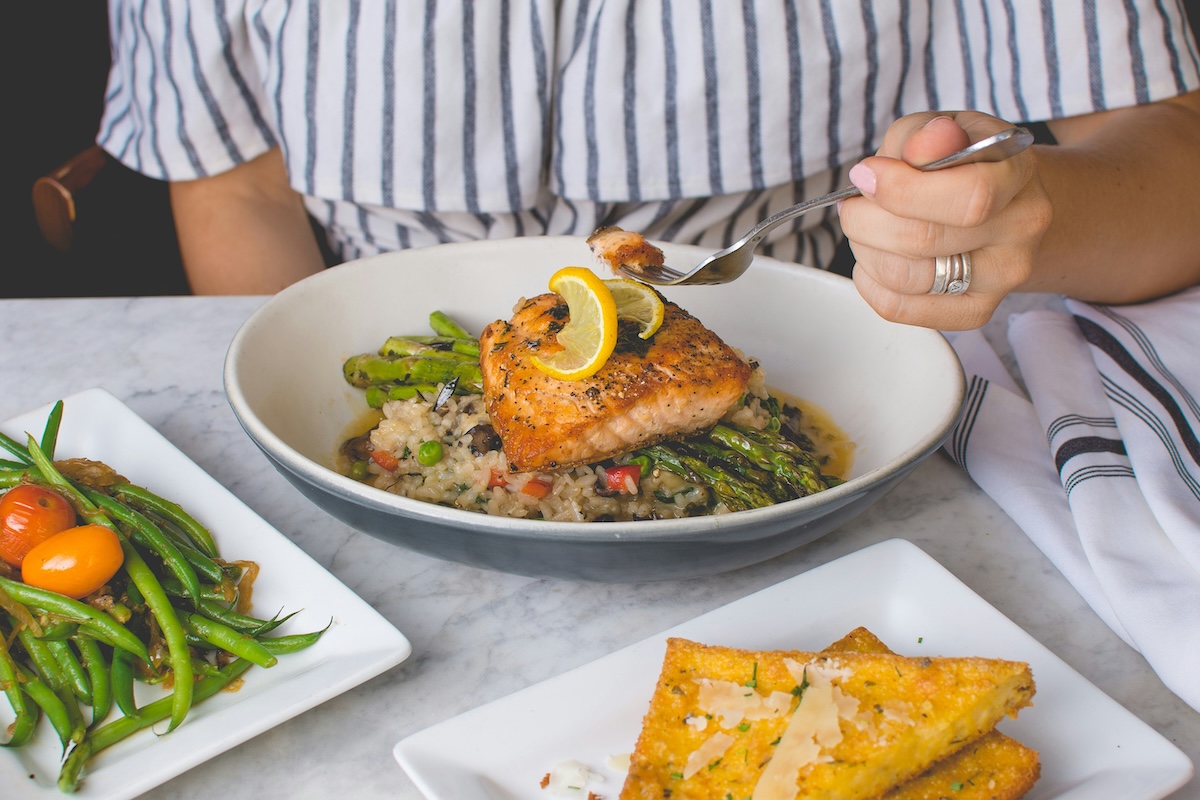
A practical guide for restaurant owners, chefs, and managers looking to capture increased seafood and meatless dining demand during the Lenten season
With Ash Wednesday falling on February 18, 2026 and Easter on April 5, restaurant operators across Colorado and Wyoming have roughly 40 days to capitalize on one of the most predictable shifts in dining behavior all year.
More than 830,000 Coloradans, about 14% of the state's population, identify as Catholic, with nearly 1 in 5 Denver residents observing the faith. Add in the broader Christian population that observes Lenten practices, and you're looking at a significant customer base actively seeking meatless options every Friday through early April.
But here's what separates restaurants that thrive during Lent from those that simply survive it: preparation. The restaurants posting the strongest Friday sales aren't scrambling to add a fish sandwich the week before Ash Wednesday.
They're planning now.
Understanding the Lenten Dining Opportunity
During Lent, observant Christians abstain from meat on Ash Wednesday, Good Friday, and every Friday in between. For many, this means beef, pork, chicken, and lamb are off the table—but seafood, eggs, dairy, and plant-based proteins are fair game.
The numbers tell a compelling story. Frozen seafood sales spiked 5.1% year-over-year during Lent 2025, according to Circana data, with pollock sales surging 11.4% and salmon up 7.8%. GrubHub has reported seafood orders climbing 5% to 10% during the season, with even higher spikes in heavily Catholic markets.
Meatless orders on Fridays during Lent have historically run 20% higher than non-Lenten periods.
For bar and grill operators in Denver, pizzerias in Colorado Springs, Mexican restaurants in Fort Collins, and Italian establishments throughout the region, this represents a clear opportunity to boost Friday traffic and average check sizes.
Center of the Plate: Your Protein Strategy for Lent
The centerpiece of any Lenten menu is what replaces the meat. Your protein strategy needs to balance customer expectations, kitchen capabilities, food costs, and—perhaps most importantly—what your regular guests actually want to eat.
Seafood Options That Work
Fish and Chips / Fish Fry
The classic Friday fish fry remains the gold standard for a reason. Beer-battered cod, pollock, or haddock, served with fries and coleslaw, delivers exactly what Lenten diners expect: comfort food that feels like an indulgence rather than a sacrifice. Many restaurants report fish fry specials driving their highest Friday sales of the year.
For bar and grill operators, this is a natural fit. Consider offering all-you-can-eat options (typically priced between $14.99 and $22.95 based on regional benchmarks) or portion-sized platters for those watching their intake.
Salmon
Salmon offers a premium positioning opportunity. Grilled, pan-seared, or cedar-plank preparations appeal to health-conscious diners willing to pay more for quality. With 76% of consumers recognizing seafood as a healthy protein option, salmon lets you capture diners who might otherwise skip your restaurant on meatless Fridays.
Shrimp
Shrimp works across nearly every cuisine type. For Mexican restaurants, camarones a la diabla, shrimp tacos, or shrimp fajitas provide authentic, familiar options. Italian restaurants can feature shrimp scampi, shrimp fra diavolo, or seafood linguine. Bar and grills can go with coconut shrimp, shrimp po'boys, or shrimp and grits.
The versatility of shrimp also helps with inventory management—leftover Friday shrimp can work into Saturday specials or weekend brunch offerings.
Catfish and Tilapia
For value-focused operations, catfish and tilapia provide affordable, mild-flavored options that appeal to diners who don't typically eat seafood. Blackened catfish or lightly breaded tilapia can serve as accessible entry points for the fish-hesitant crowd.
Beyond Fish: Alternative Proteins
Not every Lenten diner wants seafood, and some may have shellfish allergies or simply prefer variety across the seven Fridays of Lent. Smart operators build out their meatless offerings:
For Pizzerias: Margherita, vegetable, and cheese pizzas already comply with Lenten guidelines. Consider featuring these more prominently or creating a "Lenten Special" pizza with premium toppings like artichoke hearts, sun-dried tomatoes, or fresh mozzarella.
For Mexican Restaurants: Chile rellenos, cheese enchiladas, bean and cheese burritos, vegetable fajitas, and mushroom tacos all work. Fish tacos, naturally, are a Lenten standout; consider offering beer-battered or grilled options.
For Italian Restaurants: Eggplant parmesan, pasta primavera, mushroom risotto, and cheese ravioli give customers satisfying meatless entrees. Calamari can work as both an appetizer and a featured protein.
For Bar and Grills: Beyond fish, consider black bean burgers, grilled portobello sandwiches, or loaded vegetable nachos. These items often have lower food costs than meat proteins while still hitting satisfying comfort-food notes.
Menu Engineering for Lent
Simply adding a fish dish isn't enough. How you present and price your Lenten options affects whether they drive profit or just occupy menu space.
Strategic Pricing
Seafood typically carries higher raw food costs than chicken or ground beef, but that doesn't mean your margins need to suffer. A few approaches:
Premium Positioning: Price salmon or seafood platters at the higher end of your menu, emphasizing quality and preparation. Diners during Lent often expect to pay more for fish—meet that expectation while maintaining healthy margins.
Value Bundling: Pair your fish fry with sides, a drink, and dessert at a set price. This increases average check size while giving customers perceived value.
Loss Leader with Upsells: A competitively priced fish sandwich can bring Friday traffic through the door, where trained servers can upsell appetizers, drinks, and desserts.
Menu Placement and Description
Lenten specials should be easy to find. Consider a menu insert, table tent, or dedicated section highlighting meatless options. Use appetizing language, "crispy beer-battered cod," "wild-caught salmon," "fresh Gulf shrimp", that makes the dish sound indulgent rather than obligatory.
For pizzerias, calling out "Lenten-friendly" options with clear indicators helps customers navigate quickly without feeling like they're getting a reduced experience.
Limited-Time Offers
Creating urgency works. A "Lenten Seafood Special" available only through Easter Sunday encourages diners to visit sooner rather than later. This also gives your kitchen a defined window to work with specialty items, reducing the risk of inventory waste once Easter passes.
Operational Considerations
Staffing for Friday Rush
If your restaurant typically sees a slower Friday lunch or dinner, Lent may change that pattern significantly. Churches and community organizations host fish fry events, but many diners prefer restaurant dining over cafeteria-style church hall meals. Plan staffing accordingly, particularly for the first Friday of Lent (February 20, 2026) when demand often peaks.
Inventory and Supply Chain
Work with your foodservice distributor well before Ash Wednesday to lock in pricing and ensure availability. Pollock, cod, and shrimp demand spikes industry-wide during Lent, and restaurants that wait until the last minute often face higher costs or limited selection.
Consider which items you can cross-utilize. Shrimp that works in your Friday fish tacos might also appear in weekend brunch shrimp and grits. Salmon for Friday dinner can become smoked salmon on Saturday's appetizer menu.
Kitchen Prep and Cross-Contamination
For restaurants not accustomed to handling large volumes of seafood, Lent brings food safety considerations. Train kitchen staff on proper seafood handling, storage temperatures, and cross-contamination prevention, particularly important for guests with shellfish allergies who may be ordering more fish dishes.
Fryer management matters too. If your fish fry shares a fryer with chicken tenders, you'll need a solution for guests who observe strict meatless guidelines or have poultry concerns.
Marketing Your Lenten Menu
Timing Your Promotion
Start promoting Lenten specials one to two weeks before Ash Wednesday. By the time February 18 arrives, your regular customers should know exactly what you're offering.
Social Media: Feature your fish fry or seafood specials with high-quality photos. A well-timed Friday afternoon post can drive same-day traffic.
Email Marketing: If you maintain a customer email list, a dedicated Lenten menu announcement reaches diners who may be planning their Friday dining choices.
In-Restaurant Signage: Table tents and menu inserts remind dine-in customers to return on Fridays.
Community Connection
Colorado and Wyoming communities take Lent seriously, and restaurants that acknowledge the season respectfully build goodwill. This isn't about heavy religious messaging; it's about recognizing that a significant portion of your customer base has dietary needs during this period and showing you've prepared to serve them.
Consider partnerships with local parishes or community organizations. Some restaurants offer catering for church events or provide discounts to families after Friday evening services.
Sample Lenten Menu Additions by Restaurant Type
Bar and Grill
- Beer-battered fish and chips with house-made tartar sauce
- Grilled salmon burger with dill aioli
- Coconut shrimp basket
- Loaded seafood nachos (shrimp, crab, jalapeños)
- New England clam chowder cup/bowl
Pizzeria
- Shrimp scampi pizza
- White pizza with spinach and ricotta
- Mediterranean vegetable pizza
- Cheese breadsticks combo special
Mexican Restaurant
- Fish tacos (grilled or beer-battered)
- Camarones al mojo de ajo
- Seafood enchiladas with green sauce
- Chile rellenos (cheese-stuffed)
- Vegetable fajitas
Italian Restaurant
- Linguine with white clam sauce
- Shrimp fra diavolo
- Eggplant parmesan
- Seafood risotto
- Calamari fritti
Planning Timeline
Now through January: Review last year's Lenten sales data. What sold? What sat? Begin menu planning and costing.
Late January: Finalize Lenten menu items. Confirm pricing, portion sizes, and presentation standards.
Early February: Train front-of-house staff on Lenten offerings, including upselling techniques. Order inventory.
February 10-17: Begin promoting Lenten specials through email, social media, and in-restaurant signage.
February 18 (Ash Wednesday): Launch Lenten menu. Monitor sales closely on the first Friday to calibrate staffing and inventory for remaining weeks.
Through April 3: Maintain Lenten offerings. Adjust based on customer feedback and sales performance.
April 5 (Easter Sunday): Conclude Lenten specials. Review season performance to inform next year's planning.
The Bottom Line
Lent represents roughly seven consecutive Fridays of shifted dining behavior, a predictable, recurring opportunity that savvy restaurant operators prepare for rather than react to.
For Colorado and Wyoming restaurants serving Catholic and Christian communities, the question isn't whether customers will be looking for meatless options.
They will be.
The question is whether you'll be ready to serve them.
Performance Foodservice Denver serves restaurant operators throughout Colorado and Wyoming with premium proteins, authentic ingredients, and reliable delivery. From our Bay Winds and Empire's Treasure seafood lines to our full Family of Brands portfolio, we help restaurants prepare for seasonal demand like Lent with quality products and local expertise. Contact your Performance Foodservice representative to plan your Lenten menu today.

हमसे संपर्क करें टुडे
सुव्यवस्थित संचालन और अद्वितीय समर्थन की दिशा में पहला कदम उठाएं — आज ही हमारी टीम से जुड़ें और जानें कि PFS-Denver आपकी सफलता को कैसे बढ़ावा दे सकता है।
किसी भी अतिरिक्त प्रश्न का उत्तर देने के लिए एक विक्रय प्रतिनिधि शीघ्र ही आपसे संपर्क करेगा।
कॉमर्स सिटी, CO 80640



इसके अनुसार ऑर्डर करें
फ़ोन
व्यक्तिगत सहायता, उत्पाद अनुशंसाओं और तत्काल ऑर्डर देने के लिए हमारी जानकार ग्राहक सेवा टीम से सीधे बात करें।