


How to Choose a Wholesale Burger Supplier in Colorado (And What Most Operators Get Wrong)
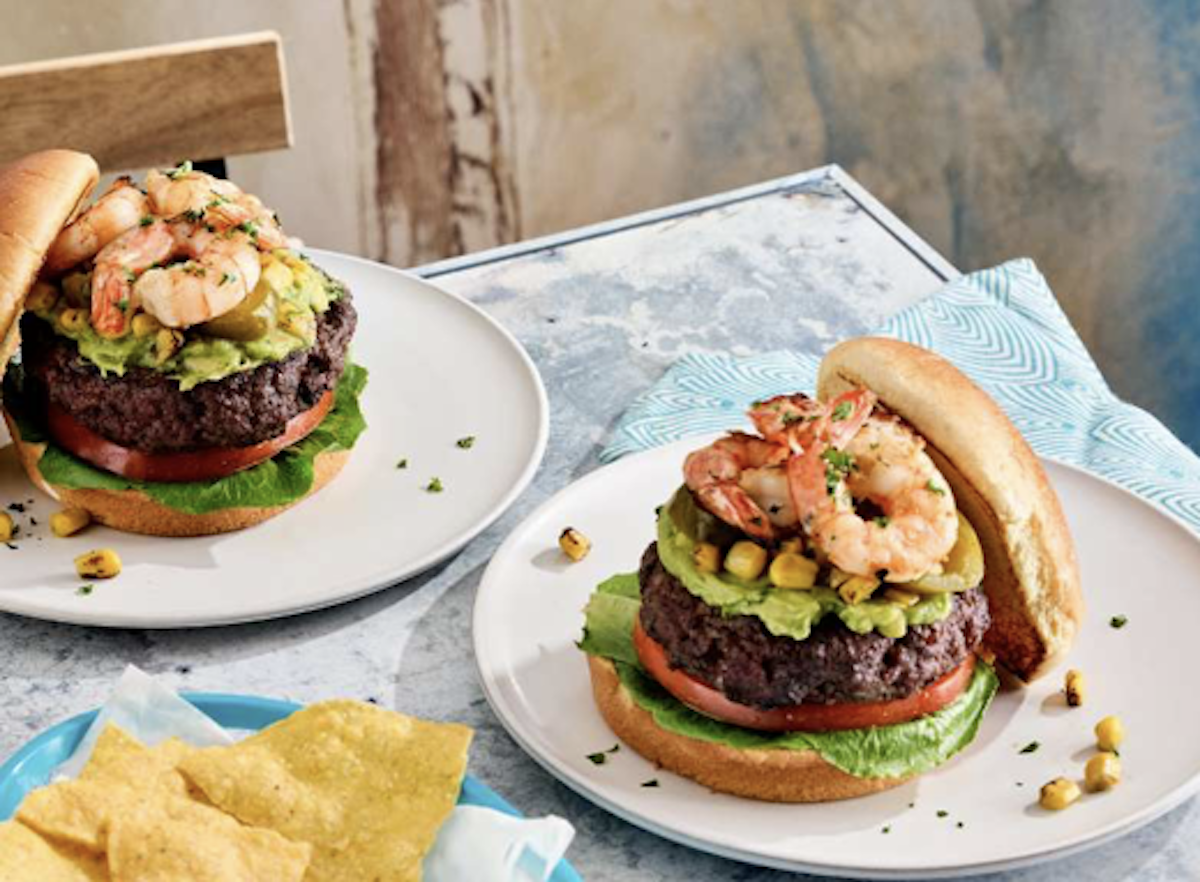
In Colorado's bar and grill scene, the burger is often the anchor of the menu. It is the dish guests order on a Tuesday night, the one that ends up in Yelp reviews, and the item that turns a one-time visitor into a regular. Yet when it comes to choosing a wholesale burger supplier, many operators treat the decision like they are ordering paper towels. They default to whoever offers the lowest price per pound, sign up, and move on.
That approach works fine until a shipment shows up with inconsistent patty weights, off-color beef, or a product that shrinks 30 percent on the flat top. At that point, the cost savings disappear fast.
This guide walks Colorado restaurant operators through the real considerations that matter when evaluating wholesale burger suppliers, including the questions most operators never think to ask.
1. Consistency Matters More Than You Think
The single most important factor in choosing a burger patties supplier is consistency. Not price. Not even flavor. Consistency.
Guests build expectations. If your signature burger tastes one way on Friday and slightly different on Tuesday because your beef ratio varied or the patty weight was off, guests notice. They may not be able to articulate why, but they feel it. Consistency in your wholesale burger patties translates directly into consistency in your guest experience.
When evaluating any wholesale burger supplier, ask specifically about their fat-to-lean ratios and how tightly they control it across production runs. An 80/20 lean-to-fat ratio is widely regarded as the most versatile for bar and grill applications because it balances flavor, juiciness, and manageable shrinkage. Ask your potential supplier whether that ratio is guaranteed or approximate.
For Colorado operators sourcing through Performance Foodservice Denver, options like Braveheart Black Angus Beef® are produced through a verified supply chain program called PathProven®, which provides documented quality control from the ranch to your kitchen. That kind of traceability is worth asking any supplier about.
2. Beef Quality: What the Labels Actually Mean
When a wholesale burger supplier lists their product as "Angus beef" or "Black Angus," those terms can mean different things depending on how the beef is sourced and processed. Here is a simple breakdown:
- USDA Choice and Prime grading: These refer to the marbling level in the beef. Choice is the standard for most foodservice operations. Prime offers richer marbling but comes at a premium. For burger patties, marbling matters less than the fat-to-lean blend, but the underlying grade affects overall flavor.
- Black Angus vs. generic ground beef: Angus cattle breeds are selected for their flavor and tenderness. Not every product labeled "Angus" meets the same specifications. Ask your supplier for breed verification if sourcing quality is a selling point on your menu.
- Whole muscle vs. trim-based patties: Premium products like the Braveheart® Gourmade Burger™ from Performance Foodservice are made from whole muscle cuts, specifically a proprietary blend using Chuck and Brisket as the base. This produces a notably different texture and flavor profile compared to patties made from trim.
- Fresh vs. frozen: Blast-frozen patties now dominate foodservice because they reduce inventory handling complexity and extend shelf life without significant quality loss when the cold chain is managed properly. Ask your supplier about their freezing process and cold chain documentation.
For Colorado bar and grill operators who feature their burgers prominently on the menu, telling a sourcing story matters. Research consistently shows that consumers are willing to pay more for burgers when they understand where the beef comes from and how it is raised.
3. The Mistake Most Operators Make: Pricing Before Specifications
The most common error in choosing a wholesale burger supplier is evaluating price before understanding specifications. An operator sees $4.50 per pound from Supplier A versus $5.10 per pound from Supplier B and goes with Supplier A without digging deeper.
What they miss:
- Patty weight tolerance: A supplier who guarantees a 6-oz patty but ships product that averages 5.7 oz is effectively overcharging you per portion once you account for the variance.
- Shrink rate: A lower-cost patty with poor fat-to-lean ratios can lose significantly more volume during cooking. A patty that starts at 6 oz but finishes at 3.8 oz after cooking costs more per served ounce than a higher-grade patty that holds its weight better.
- Yield and waste: Pre-formed, portion-controlled patties from reputable wholesale burger suppliers reduce labor time and food waste compared to sourcing bulk ground beef and forming patties in-house.
The right way to compare wholesale burger patties suppliers is to calculate cost per served ounce, not cost per raw pound. Factor in portion variance, shrink rate, and any labor cost differences. The math often looks different than the sticker price suggests.
4. Delivery Reliability in Colorado and Wyoming
Colorado's geography creates real logistics challenges for restaurant operators. A Denver bar and grill sourcing from a national distributor faces different supply chain dynamics than a restaurant in Steamboat Springs, Durango, or Cheyenne, Wyoming.
When evaluating a wholesale burger supplier, ask directly about:
- Delivery frequency to your specific location
- Minimum order requirements and whether they flex seasonally
- Cold chain protocols, including how they handle product in transit during summer months
- Substitution and backorder policies when specific SKUs are unavailable
A missed delivery or an unanticipated substitution on a Friday afternoon before a busy weekend is one of the most disruptive things that can happen in a bar and grill kitchen. Regional distributors with established Colorado and Wyoming routes have a practical advantage here because they understand local conditions and have built their logistics around them.
Performance Foodservice Denver operates out of a 350,000 square foot facility and maintains distribution across Colorado, Wyoming, and surrounding markets, which means their delivery infrastructure is built specifically for the operators in these regions.
5. Burger Buns: The Overlooked Half of the Equation
Choosing a wholesale burger supplier and ignoring the bun situation is like buying a great speaker system and plugging it into a broken receiver. The bun is the structural and textural context for everything else on the plate.
When working with a wholesale restaurant meat supplier, ask whether they can also source your bun program. Operators who consolidate burger patties and buns through a single distributor gain several advantages:
- Simplified ordering and fewer vendor relationships to manage
- Better negotiating position on volume pricing
- Easier alignment of portion size between patty weight and bun diameter
A brioche bun pairs differently with an 80/20 beef patty than a standard sesame bun does. The bun's moisture content, density, and structural integrity all affect how the finished burger holds together and how long it stays presentable after plating. Your distributor should be able to help you think through that pairing, not just drop boxes at the back door.
6. Plant-Based Options: Worth Addressing Now
Colorado diners include a meaningful proportion of flexitarians and plant-forward eaters, particularly in the Denver metro, Boulder, and mountain resort communities. Adding a plant-based burger option to your bar and grill menu is increasingly a practical business consideration rather than a niche accommodation.
When talking to any bulk burger supplier, ask about their plant-based protein offerings. Performance Foodservice carries Green Origin®, a plant-based protein line specifically designed to perform well in commercial kitchen environments and deliver a cleaner ingredient profile compared to many national brands. Having access to both conventional and plant-based patties through a single wholesale burger supplier simplifies procurement and reduces the administrative overhead of managing separate vendor relationships.
7. Questions to Ask Any Wholesale Burger Supplier Before You Commit
Before signing on with any burger wholesaler, Colorado operators should get clear answers to these questions:
- What is the guaranteed fat-to-lean ratio, and how is it verified?
- What USDA grade does the beef carry?
- Are patties formed from whole muscle cuts or trim?
- What are the patty weight tolerances per case?
- How is the cold chain managed during transport to my location?
- What is the delivery schedule for my area, and how do you handle substitutions?
- Can I see food safety and traceability documentation?
- Do you carry plant-based patties and hamburger bun options?
A supplier who cannot answer these questions clearly is not someone you want supplying your most important menu item.
Working with a Wholesale Burger Supplier Who Knows Colorado
Performance Foodservice Denver serves bar and grill operators, independent restaurants, and foodservice operations across Colorado and Wyoming. As a regional American food distributor with an established presence in the market, they carry a tiered portfolio of burger patty options designed to fit different price points and menu positioning needs, from everyday value options under West Creek® to premium Black Angus patties under Braveheart Black Angus Beef® and the whole-muscle Braveheart® Gourmade Burger™.
If you are currently sourcing wholesale burger patties and want to evaluate whether your current supplier relationship is the right fit, reaching out to a local distributor who understands the Colorado and Wyoming market is a practical starting point.
Frequently Asked Questions
What should I look for in a wholesale burger patty supplier in Colorado?
The most important factors are consistency of patty weight and fat-to-lean ratio, beef quality and sourcing documentation, delivery reliability to your specific location, and the supplier's flexibility on minimum order quantities. Price matters, but it should be evaluated on a cost-per-served-ounce basis rather than cost per raw pound, since shrink rate and portion variance significantly affect your real food cost.
What is the best fat-to-lean ratio for bar and grill burger patties?
An 80/20 lean-to-fat ratio is the most widely used in full-service and bar and grill settings. It provides enough fat for juiciness and flavor while keeping shrinkage at a manageable level. Leaner blends like 90/10 reduce fat but can produce drier, smaller finished patties. Your supplier should be able to tell you exactly what ratio their patties are formulated to and whether that is guaranteed across every shipment.
Is there a meaningful difference between Black Angus burger patties and standard ground beef patties?
Yes, though the degree of difference depends on how the product is sourced and processed. Angus breeds are selected for favorable meat characteristics including marbling and tenderness. Products like Braveheart Black Angus Beef®, which are produced under a documented supply chain program, provide verified breed consistency along with full traceability from ranch to kitchen. For operators who highlight beef quality on their menu, that documentation has practical marketing value in addition to quality assurance.
How do I find a reliable wholesale burger supplier near me in Colorado or Wyoming?
Start with regional foodservice distributors who maintain dedicated Colorado and Wyoming delivery routes, since they understand local logistics and have relationships with operators in your market. Ask for references from other restaurant accounts in your area. Evaluate their cold chain protocols, delivery frequency, and substitution policies before committing. A regional distributor like Performance Foodservice Denver, operating from a facility in the Denver metro, has established infrastructure specifically for Colorado and Wyoming restaurant operators.
Should I source burger patties and buns through the same wholesale supplier?
Consolidating through a single supplier is generally advantageous for most independent operators. It simplifies ordering, reduces the number of vendor relationships you manage, and often provides better negotiating leverage on volume pricing. More practically, a single distributor can help you align patty weight with bun diameter and structural integrity, which affects both presentation and food cost. If your current burger patties supplier does not carry a bun program, that is a reasonable conversation to have with them.
Performance Foodservice Denver serves restaurant operators across Colorado and Wyoming with wholesale beef, burger patties, buns, and full-line foodservice distribution from their 350,000 sq ft Denver facility.
ติดต่อเรา วันนี้
ก้าวแรกสู่การดำเนินงานที่คล่องตัวและการสนับสนุนที่ไม่มีใครเทียบได้ — เชื่อมต่อกับทีมของเราวันนี้และค้นพบว่า PFS-Denver สามารถส่งเสริมความสำเร็จของคุณได้อย่างไร
ตัวแทนฝ่ายขายจะติดต่อคุณในไม่ช้าเพื่อตอบคำถามเพิ่มเติม
คอมเมิร์ซซิตี้, CO 80640



สั่งซื้อโดย
โทรศัพท์
พูดคุยโดยตรงกับทีมบริการลูกค้าที่มีความรู้ของเราเพื่อขอความช่วยเหลือส่วนบุคคล คำแนะนำผลิตภัณฑ์ และการสั่งซื้อในทันที