


Fruitful & Rootful: Creative Kitchen Ideas Using Produce
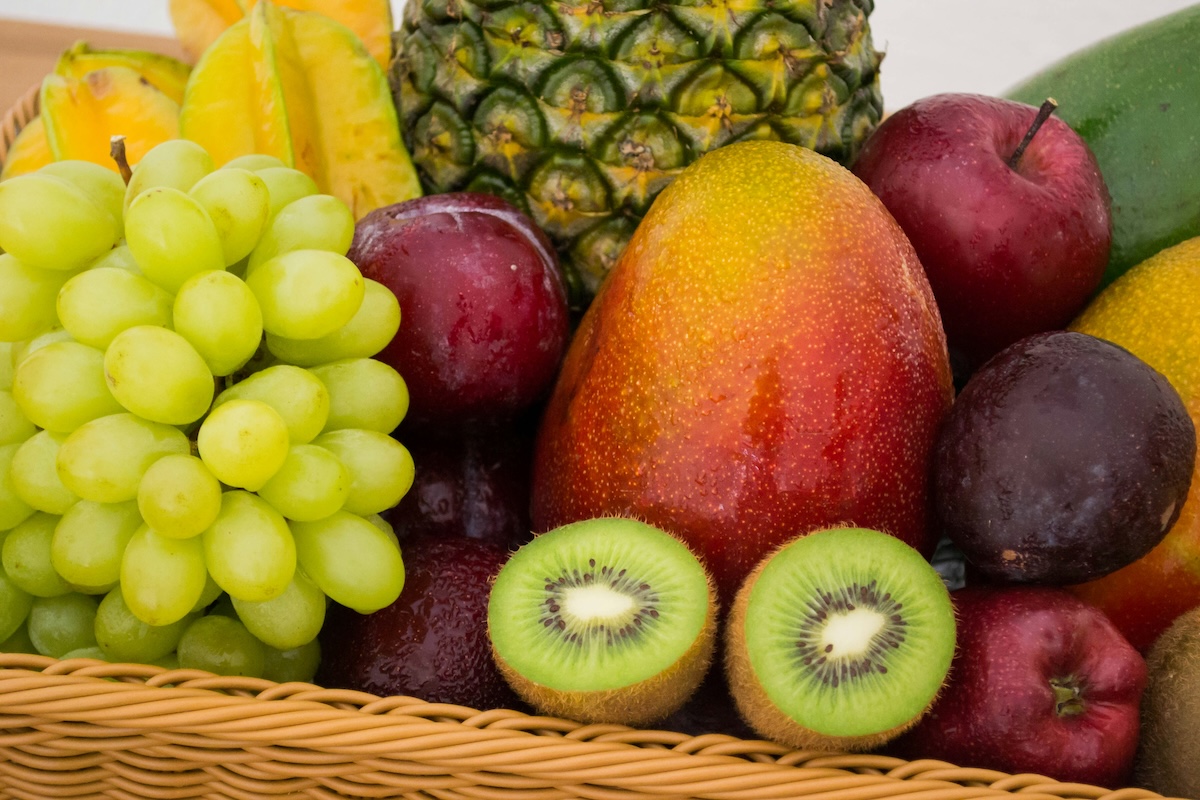


March in Colorado is the month when the kitchen starts to shift. The heavy, cold-weather menus that carried you through winter begin to feel like they have overstayed their welcome. Guests want something lighter, brighter, and more alive on the plate. And the produce to make that happen is either already in season or about to be.
This is the time of year when smart menu planning pays off the most, because the gap between in-season and out-of-season produce is not just a matter of flavor. It is a matter of money.
Produce costs can fluctuate 20% to 50% depending on seasonality, and buying fruits and vegetables at their natural peak can reduce your produce spending by 15% to 30% compared to sourcing those same items out of season. For a restaurant spending $3,000 to $5,000 a month on produce, that is a meaningful difference.
The goal is not to chase trends or to redesign your menu from scratch. It is to make a few deliberate, seasonal adjustments that improve flavor, lower your food cost, and give your guests a reason to notice that something on the plate is different, in the best possible way.
The Economics of Eating with the Calendar
The basic math behind seasonal sourcing is supply and demand. When asparagus is in peak season across domestic growing regions, it floods the market. Prices drop because there is more of it, and it does not need to travel as far to get to your kitchen.
When you order asparagus in December, it is flying in from Peru or Mexico, racking up transportation costs and cold storage fees at every stop along the way. By the time it reaches your prep table, you are paying a premium for a product that was harvested early, shipped long, and has been off the vine for days or weeks longer than its in-season equivalent.
This pattern repeats across nearly every produce category. Strawberries in January cost significantly more than strawberries in May or June, and they taste noticeably different. Winter tomatoes from a greenhouse lack the sweetness and density of a tomato that ripened in full sun during July or August. Even sturdy staples like leafy greens get expensive and lose quality when they are out of their natural growing window and have to be sourced from distant regions or controlled environments.
For restaurant operators, this is not just a philosophical preference for freshness. It is a line item on your P&L. When your produce distributor delivers items that are in season, you get better pricing, more consistent sizing, and longer shelf life because the product has not been in transit for days. You also get better yields in the kitchen. An in-season bell pepper is firmer, more colorful, and holds up better through prep and cooking than one that has been sitting in a distribution chain for a week.
Technomic research shows that 59% of consumers are more likely to choose a menu item described as "seasonal." And 76% of adults prefer restaurants that feature locally sourced ingredients, according to the National Restaurant Association. Your guests are already looking for this. You just need to give it to them.
What Spring Looks Like on a Colorado Menu
Colorado's growing season generally runs from May through November, according to the Colorado Department of Agriculture. But the warm-up starts earlier than many operators realize. Leeks, mushrooms, and onions come into season as early as March. By April and May, the selection expands to include asparagus, spinach, radishes, rhubarb, green garlic, scallions, and fava beans.
These are not niche ingredients reserved for fine dining. They are practical, flexible building blocks that work across every restaurant segment, from bar and grills in Denver to pizza shops in Colorado Springs to Mexican restaurants in Greeley.
Here is how to think about them by category.
The Allium Family (Onions, Leeks, Scallions, Green Garlic). These are your workhorses. Leeks add a sweeter, more delicate flavor than standard yellow onions and work beautifully in soups, quiches, and pasta dishes. Green garlic, which is young garlic harvested before the bulb fully forms, has a milder flavor that pairs well with spring proteins like chicken and pork. Scallions are the fastest way to add freshness and color to any finished dish, from tacos and ramen bowls to grilled steaks.
Asparagus. One of the most versatile spring vegetables on a restaurant menu. Grill it, roast it, shave it raw into salads, blend it into a bright green soup, or use it as a pizza topping. It pairs naturally with eggs (think brunch), with pasta (think Italian), and with grilled proteins (think bar and grill). Asparagus has a short peak window, which makes it feel special on a menu and gives you a natural reason to promote it as a limited-time offering.
Radishes. Underused in most restaurant kitchens. Slice them thin for salads, pickle them quickly for tacos and sandwiches, or roast them as a side dish (roasting mellows their bite and brings out a subtle sweetness). They add color and crunch to any plate for almost nothing in food cost.
Rhubarb. Peak season in Colorado begins in late spring. Most people think of rhubarb as a dessert ingredient, and it absolutely works in crisps, compotes, and tarts. But it also makes a sharp, tangy sauce or chutney that pairs well with pork, duck, and grilled chicken. A rhubarb BBQ glaze is the kind of seasonal LTO that gets people talking.
Spinach and Spring Greens. As temperatures warm, leafy greens enter their best growing window. This is the time to build salads that actually taste like something, using fresh spinach, arugula, and mixed greens that are crisp and full of flavor rather than the tired, expensive hothouse lettuce that dominates winter menus at a much higher price point.
Beyond the Salad: Creative Applications by Segment
Seasonal produce is not limited to salads and side dishes. The operators who get the most value out of their produce orders are the ones who find ways to work seasonal items into the core of their menu, across multiple dayparts and multiple price points.
For Bar & Grill Operators. Add a grilled asparagus side to your burger and wing menu during April and May. It takes 90 seconds on a flat-top or grill, costs very little, and looks impressive on the plate. Feature a seasonal loaded potato with scallions and green garlic butter. Run a spring salad with radishes, shaved fennel, and a simple lemon vinaigrette as a lighter option that balances the heavier items on your menu.
For Italian Restaurants. Spring is your season. Asparagus risotto, pea and mint pasta, spinach and ricotta stuffed shells, and roasted radish crostini all showcase seasonal produce in dishes your guests already expect from an Italian kitchen. A rhubarb panna cotta as a dessert special writes itself. Use the seasonal shift as an opportunity to swap out one or two winter pasta dishes for spring versions that cost less to produce and excite repeat guests who know your menu.
For Mexican Restaurants. Radishes are already a staple garnish in Mexican cuisine. Build on that by incorporating them more prominently: pickled radish slaw on tacos, raw radish slices alongside pozole, or a radish and cucumber agua fresca. Grilled scallions (cebollitas) served alongside carne asada are traditional, inexpensive, and exactly in season. Spring greens can replace expensive iceberg lettuce in tortas and tostadas while adding better flavor and color.
For Pizza Operators. Asparagus, spinach, caramelized onions, and roasted mushrooms all make excellent seasonal pizza toppings. A spring vegetable white pizza with ricotta, garlic, asparagus tips, and fresh spinach can be a strong limited-time menu item that appeals to the growing number of guests who want at least one lighter option. It is also a high-margin build. The toppings are inexpensive relative to meat-heavy pizzas, and the perceived value is high because the ingredients look and taste fresh.
For Breakfast and Diner Operators. Spring produce and eggs are a natural pairing. Asparagus and goat cheese omelets, spinach and mushroom scrambles, and spring vegetable frittatas let you feature seasonal produce at the daypart where it adds the most perceived value for the least added cost. A fresh fruit cup with in-season strawberries, pineapple, and kiwi costs less in spring than it does in winter and tastes noticeably better.
The Frozen and Preserved Option: Produce Without the Pressure
Not every produce application requires fresh product. In fact, some of the best ways to manage food cost and reduce waste involve incorporating frozen and preserved fruits and vegetables alongside your fresh orders.
Frozen produce is harvested and processed at peak ripeness, which means its nutritional content and flavor are often comparable to fresh, sometimes even better than fresh items that have been in transit for extended periods. For applications where the produce is cooked, blended, or incorporated into a dish rather than served raw, frozen options deliver consistent quality and significant cost savings.
This is where Bountiful Harvest® becomes a valuable part of your produce strategy. Bountiful Harvest® offers frozen potatoes and French fries, as well as fruits and vegetables in canned, refrigerated, frozen, and dried formats. Only product that meets rigid quality and consistency specifications earns the Bountiful Harvest® label. For soups, smoothies, sauces, baked goods, and cooked side dishes, Bountiful Harvest® frozen produce gives you the flavor and reliability of in-season quality without the spoilage risk and price volatility of fresh.
Use fresh produce for the items where it matters most: salads, garnishes, raw preparations, and dishes where the produce is the star. Use frozen for the items where consistency and cost control take priority: soups, purees, pie fillings, sauces, and baked goods. This layered approach lets you promote seasonal freshness on your menu while protecting your food cost behind the scenes.
Fresh Produce You Can Count On
When your produce arrives looking exactly like it should, consistently, week after week, your kitchen runs smoother and your food costs stay predictable. That reliability starts with your supplier.
Peak Fresh Produce® represents Performance Foodservice's commitment to delivering fresh produce that meets USDA No. 1 standards for quality, safety, and freshness. The portfolio includes potatoes, lettuces, onions, tomatoes, fresh-cut items, herbs, and a full range of other fruits and vegetables. Every delivery is backed by the same quality and food safety standards that Performance Foodservice applies across its entire product line.
For operators looking for specific value on high-volume staples, Growers Choice Fresh Produce® provides USDA No. 2 potatoes, tomatoes, onions, and citrus at a value price point. It is the same commitment to reliable sourcing, with specifications designed for operations where cost efficiency is the top priority.
And for restaurants that want to highlight hydroponic produce, which is grown in controlled greenhouse environments using primarily water, Peak Fresh Produce® Hydroponic delivers lettuces, green leafy vegetables, herbs, and tomatoes that are grown locally and regionally year-round. Hydroponic growing provides consistent quality regardless of outdoor weather conditions, which is especially valuable for Colorado operators dealing with unpredictable spring weather and a shorter traditional growing season.
Between Peak Fresh Produce®, Growers Choice Fresh Produce®, Peak Fresh Produce® Hydroponic, and Bountiful Harvest® frozen options, Performance Foodservice Denver gives you multiple tiers of produce to build your menu around, each with its own quality level, price point, and best use case. Your sales representative can help you determine the right mix based on your menu, your volume, and your food cost targets.
Sustainability Without the Soapbox
Restaurant guests increasingly care about where their food comes from. Seventy-five percent of consumers in the U.S. say they prefer restaurants that use eco-friendly practices, and 82% want to support businesses whose values align with their own. But you do not need to put a sustainability manifesto on your menu to benefit from these trends.
Sourcing seasonal produce is, by its nature, a more sustainable practice. In-season product travels shorter distances, requires less artificial storage, and is grown under conditions that use fewer resources than out-of-season alternatives. When you buy asparagus in May instead of January, it has not crossed an ocean. When you use Colorado-grown spinach in spring instead of shipping it from California or Arizona during a drought year, you are making a choice that is better for the plate, the balance sheet, and the supply chain.
This does not need to be your marketing message. But it can be. A simple line on the menu that says "featuring Colorado spring asparagus" or "made with seasonal produce" tells guests what they want to hear without overselling it. The 59% of consumers who prefer seasonal menu items will notice. And the other 41% will simply enjoy a dish that tastes better because the ingredients are better.
Performance Foodservice's approach to produce sourcing reflects this same principle. From Good Roots Produce®, a hand-picked fresh produce selection that meets stringent quality and food safety specifications from field to delivery, to the broader portfolio of seasonal and year-round options, the goal is simple: get the best available product to your kitchen at the right price, with the reliability you need to plan around.
A Seasonal Shift, Not a Seasonal Overhaul
You do not need to rewrite your menu every time the calendar turns. You need a handful of swaps and additions that take advantage of what is fresh, affordable, and in demand right now.
Start with three to five seasonal items in March or April. Swap one winter soup for a spring version. Add an asparagus side or a fresh greens salad. Feature a seasonal dessert with rhubarb or strawberries. Highlight these items with a table tent or a callout on your menu, and let your servers know why they taste better right now.
Then, as the growing season progresses into summer, expand. Colorado's harvest hits full stride between June and September, when tomatoes, peppers, corn, peaches, cherries, zucchini, green beans, and melons are all available at peak quality and competitive pricing. Each month brings new opportunities to rotate specials, reduce your reliance on expensive out-of-season products, and give your guests something to come back for.
That cycle, buying what is best right now, using it while it is at its peak, and rotating to the next wave of seasonal availability, is the simplest produce strategy in the business. And it works.
Get Started with Your Rep
Your Performance Foodservice Denver sales representative can walk you through the full range of fresh, frozen, and hydroponic produce options available for your operation. Whether you are looking to build a seasonal menu strategy, dial in your food cost on high-volume items, or find the right mix of Peak Fresh Produce®, Bountiful Harvest®, and Growers Choice Fresh Produce® for your kitchen, the conversation starts with a call.
Contact Performance Foodservice Denver today. We deliver fresh, frozen, and specialty produce to restaurants across Colorado and Wyoming from our 350,000 sq ft facility, six days a week.
Performance Foodservice Denver is a wholesale produce supplier and full-line foodservice distributor serving restaurant operators throughout Colorado and Wyoming. Our produce portfolio includes Peak Fresh Produce®, Peak Fresh Produce® Hydroponic, Growers Choice Fresh Produce®, Good Roots Produce®, and Bountiful Harvest® frozen and preserved options, all backed by our commitment to quality, food safety, and reliable delivery.

हमसे संपर्क करें टुडे
सुव्यवस्थित संचालन और अद्वितीय समर्थन की दिशा में पहला कदम उठाएं — आज ही हमारी टीम से जुड़ें और जानें कि PFS-Denver आपकी सफलता को कैसे बढ़ावा दे सकता है।
किसी भी अतिरिक्त प्रश्न का उत्तर देने के लिए एक विक्रय प्रतिनिधि शीघ्र ही आपसे संपर्क करेगा।
कॉमर्स सिटी, CO 80640



इसके अनुसार ऑर्डर करें
फ़ोन
व्यक्तिगत सहायता, उत्पाद अनुशंसाओं और तत्काल ऑर्डर देने के लिए हमारी जानकार ग्राहक सेवा टीम से सीधे बात करें।